School of Molecular and Cellular Biology
Welcome to the web pages of the School of Molecular and Cellular Biology within the Faculty of Biological Sciences (FBS). The aim of the School is to educate and to discover through research. Research is a central platform for the reputation of our University, which we hope will influence the lives of those who choose to study and work here, and will make a major impact on global society.
The School comprises some 45 principal investigators whose research activities are coordinated within two research groups: the Astbury Centre for Structural Molecular Biology and the Molecular Cell Biology research group. The School provides a stimulating environment for the prosecution of world-class research. We have a strong emphasis on inter-disciplinary activity, with the aim of developing the boundaries between traditional disciplines. To this end, collaborations between schools within FBS (School of Biomedical Sciences and School of Biology) are strongly encouraged, as are collaborations outside the faculty, for example with the Faculty of Mathematics and Physical Sciences and the Faculty of Medicine and Health.
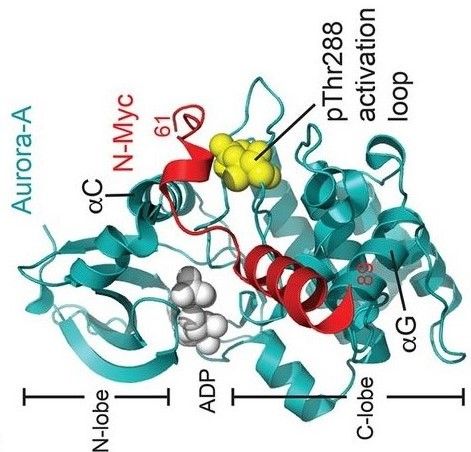
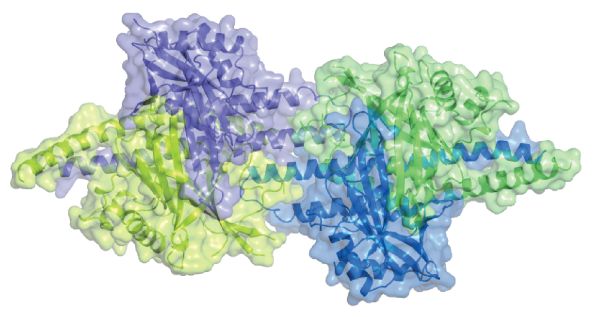
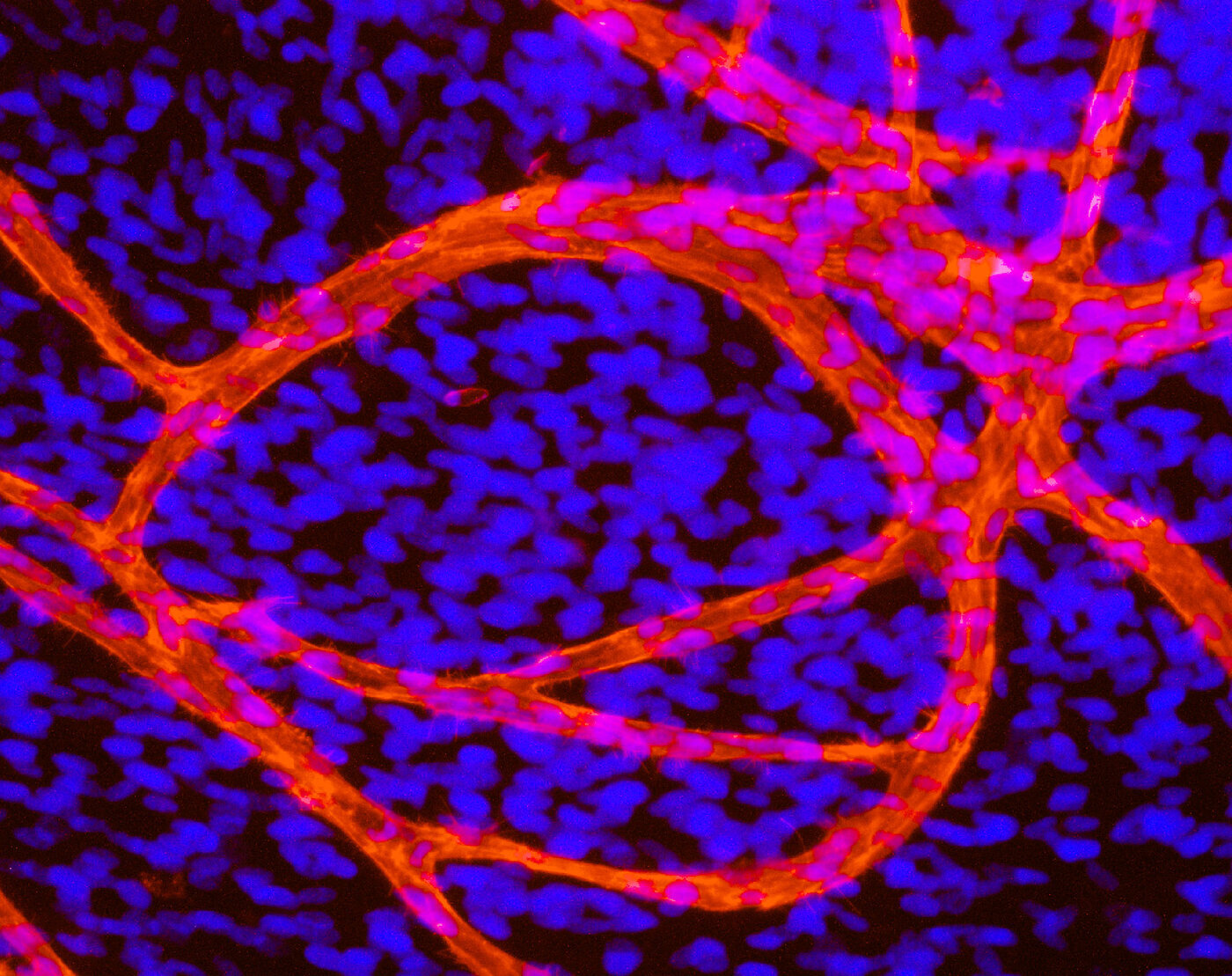
While research activities within the School are thus very diverse, a common theme that connects them is 'molecular and/or cellular interactions'. Members of the Astbury Centre for Structural Molecular Biology use techniques such as x-ray crystallography, mass spectrometry and nuclear magnetic resonance to study the structure, dynamics and interactions of biological molecules at the atomic level. The numerous aims of this work include understanding how protein molecules can misfold in deadly amyloid diseases, delineating the mechanisms by which viruses self-assemble, redesigning enzymes to perform new functions, and understanding how molecular motors work. Work in the Molecular Cell Biology group includes the role of the immune system in infection and injury, the study of endothelial cells involved in blood clotting and blood pressure, the role of protease enzymes in Alzheimer's disease, improving the longevity of prosthetic joint replacements, understanding the mechanisms by which viruses recognize host-cells, and the design of novel antibiotics effective against bacterial diseases.
Further details of School staff and their research interests can be found on the associated web pages. We are always interested in hearing from potential postgraduate students (see the Faculty Graduate School page). Applications are now invited from the highest-calibre students of any nationality for entry in September 2013 to our Wellcome Trust 4 Year PhD Programme 'Molecular Basis of Biological Mechanism'. We would also be delighted to hear from research fellows and academics who may be interested in relocating to Leeds. We can offer a friendly, stimulating and challenging research environment. You can contact us at any time by telephone on 0113 343 3115 or by e-mail: susan.c.wright@leeds.ac.uk. Prospective undergraduate students should direct enquiries to Admissions.
Professor David Westhead, School Director