
Alzheimer's prevention role discovered for prions
30th June 2007
The mysterious prion proteins has been identified by Professor Hooper's team in IMCB toagainst against Alzeihmer's disease.
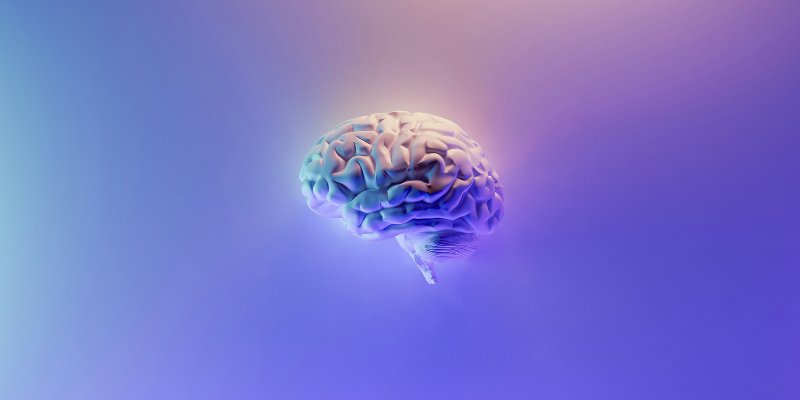
A role for prion proteins, the much debated agents of mad cow disease and vCJD, has been identified. It appears that the normal prions produced by the body help to prevent the plaques that build up in the brain to cause Alzheimer's disease. The possible function for the mysterious proteins was discovered by a team of scientists led by Medical Research Council funded scientist Professor Nigel Hooper of the University of Leeds.
Alzheimer's and diseases like variant Creutzfeldt-Jakob Disease follow similar patterns of disease progression and in some forms of prion disease share genetic features. These parallels prompted Professor Hooper's team to look for a link between the different conditions. They found an apparent role for normal prion proteins in preventing Alzheimer's disease.
"Our experiments have shown that the normal prion proteins found in brain cells reduce the formation of beta-amyloid, a protein that binds with others to build plaques in the brain that are found in Alzheimer's disease," explains Professor Hooper.
He continues: "In vCJD, the normal version of prion protein, PrPc, found naturally in the brain is corrupted by infectious prions to cause disease. The normal function of PrPc has been unclear."
Using cells grown in the lab, the team looked at the effect of high and low levels of normal prion protein on the successful formation of beta amyloid, the source of Alzheimer's plaques. They found that beta amyloid did not form in cells with higher than usual levels of PrPc. In comparison, when the level of PrPc was low or absent, beta amyloid formation was found to go back up again.
Mice genetically engineered to lack PrPc were also studied. Again, this revealed that in its absence, the harmful beta-amyloid proteins were able to form.
It appears that PrPc, the normal prion protein, exerts its beneficial effect by stopping an enzyme called beta-secretase from cutting up amyloid protein into the smaller beta-amyloid fragments needed to build plaques.
Further evidence for the protective role of normal prion proteins is provided by mutated versions that are linked to genetic forms of prion disease because beta-amyloid fragments are able to form when the normal prion protein is corrupted by genetic mutation.
Professor Hooper concludes: "Until now, the normal function of prion proteins has remained unclear, but our findings clearly identify a role for normal prion proteins in regulating the production of beta-amyloid and in doing so preventing formation of Alzheimer's plaques. Whether this function is lost as a result of the normal ageing process, or if some people are more susceptible to it than others we don't know yet."
"The next step for our research will be to look in more detail at how the prion protein controls beta amyloid, knowledge that could be used to design anti-Alzheimer's drugs. Theoretically, if we can find a way of mimicking the prion's function we should be able to halt the progress of Alzheimer's. However, there's still a lot of work to be done in looking at levels of prions in the human system and how these may alter as we age."
Grants
Last 3 months. View all
Vas Ponnambalam, Leverhulme Trust (1/09/2013), £245,031
Darren Tomlinson, Leverhulme Trust (1/09/2013), £5,645
Michelle Peckham, Gareth Howell, Roman Tuma, David Beech, Nigel Hooper, MRC (1/05/2013), £893,675
Sarah Calaghan, Derek Steele, BHF (1/05/2013), £208,005
Neil Messenger, EPSRC (1/04/2013), £618,675
Lars Jeuken, BBSRC (1/04/2013), £300,633
Ian Wood, Dunhill Medical Trust (1/04/2013), £113,705
Paul Millner, Wellcome Trust (1/04/2013), £40,000
Andrew Macdonald, Yorkshire Kidney Research Fund (1/04/2013), £39,886
Samit Chakrabarty, Royal Society (1/04/2013), £15,000
Sarah Zylinski, Royal Society (1/04/2013), £11,000
Urwin, Howard Atkinson, BBSRC (1/03/2013), £626,738
Charlotte Haigh, Wellcome Trust (1/03/2013), £50,000
Jim Deuchars, Leeds Teaching Hospitals Charitable Foundation (1/03/2013), £34,618
Carrie Ferguson, Wellcome Trust (1/03/2013), £27,700
Research Bulletin
View Last 3 months | Viewing all items
A moss species new to Europe found in Yorkshire
10th February 2011CPS scientist Dr Andy Cuming and colleagues have identified at Lindley Wood Reservoir in Yorkshire a species of moss that has not been found in Europe before. more
Prof Christine Foyer chosen to write the American Society of Plant Biology inaugural Founders Review.
10th February 2011Christine Foyer has been chosen to write the first review in a series that will highlight the work of internationally eminent plant biologists. more
Genetic study uncovers new path to Polynesia
3rd February 2011Surprising new evidence which overturns current theories of how humans colonised the Pacific has been discovered by faculty scientists. more
Is organic farming good for wildlife?
7th September 2010Even though organic methods may increase farm biodiversity, a combination of conventional farming and protected areas could sometimes be a better way to maintain food production and protect wildlife. more
Bats with backpacks paint pictures with sound
11th May 2010Researchers have recorded and reproduced the complex images bats make of their environment. more
Organic farming shows limited benefit to wildlife
5th May 2010Organic farms may be seen as wildlife friendly, but the benefits to birds, bees and butterflies don't compensate for the lower yields produced. more
UK team reveals all three structures of single transporter protein
22nd April 2010A team of researchers have captured the 3D atomic models of a single transporter protein in each of its three main structural states, a goal of researchers from around the world for over 25 years. more
Follow the leader: how those in charge make themselves known
1st April 2010Do you find yourself leading groups, or are you naturally more comfortable following others? Research shows that if you want to be a leader you're better off at the edges of a crowd, and not in the middle of the action. more
Leeds inflammation research opens route to better pain relief
24th March 2010Research at the University of Leeds could pave the way to a new generation of painkillers by providing a new theory of how inflammation causes pain. more
Fishing discard ban could damage sea bird success, scientists warn
22nd March 2010A proposed EU ban on throwing unwanted fish overboard from commercial boats could put one of the North Sea's most successful sea birds at risk, say researchers at the University of Leeds. more
Research builds on genetic link to autism and schizophrenia
24th February 2010A genetic link between schizophrenia and autism is enabling researchers to study the effectiveness of drugs used to treat both illnesses. more
Gardeners must unite to save Britain's wildlife
19th January 2010Householders in the UK should be looking beyond their own garden fence to protect vulnerable British wildlife. more
Research opens door to new thrombosis treatments
10th December 2009The latest findings on how blood clots form could open the door to the development of new and better-targeted drugs for patients at risk of strokes or heart attacks. more
New therapy targets for amyloid disease
4th December 2009A major discovery is challenging accepted thinking about amyloids - the fibrous protein deposits associated with diseases such as Alzheimer's and Parkinson's - and may open up a potential new area for therapeutics more
Leeds research finds new piece of BSE puzzle
20th November 2009A new treatment route for bovine spongiform encephalopathy (BSE) and its human form Creutzfeldt Jakob disease (CJD) could be a step closer thanks to scientists in the FBS. more
Fruit fly sperm makes females do housework after sex
30th September 2009The sperm of male fruit flies are coated with a chemical 'sex peptide' which inhibits the female's usual afternoon siesta and compels her into an intense period of foraging activity. more
Genetically engineered bacteria are sweet success against IBD
21st August 2009For the first time, scientists have used a genetically engineered "friendly" bacterium to deliver a therapy. more
Hepatitis C virus channels its efforts into cell survival
19th August 2009Researchers at the University of Leeds have discovered a previously unknown mechanism that allows the hepatitis C virus (HCV) to remain in the body for decades. more
Scientists halt epilepsy in mice
3rd August 2009Scientists at Leeds have prevented epilepsy caused by a gene defect from being passed on to mice offspring - an achievement which may herald new therapies for people suffering from the condition. more
15th June 2009
One of the mechanisms governing how our physical features and behavioural traits have evolved over centuries has been discovered by researchers at the University of Leeds. more
New 'molecular clock' aids dating of human migration history
4th June 2009Researchers at the University of Leeds have devised a more accurate method of dating ancient human migration - even when no corroborating archaeological evidence exists. more
Mosquito evolution spells trouble for Galapagos wildlife
1st June 2009The Galapagos giant tortoise and other iconic wildlife are facing a new threat from disease, as some of the islands' mosquitoes develop a taste for reptile blood. more
New hope for advances in treating malaria
22nd April 2009Researchers at the University of Leeds have developed chemicals which kill the most deadly malaria-causing parasite, Plasmodium falciparum - including those resistant to existing drugs. more
Food choices evolve through information overload
25th March 2009Ever been so overwhelmed by a huge restaurant menu that you end up choosing an old favourite instead of trying something new? more
Research supports toxoplasmosis link to schizophrenia
11th March 2009Scientists have discovered how the toxoplasmosis parasite may trigger the development of schizophrenia and other bipolar disorders. more
Study offers clues to beating hearing loss
4th March 2009Researchers at the University of Leeds have made a significant step forward in understanding the causes of some forms of deafness. more
Unfolding "nature's origami"
2nd March 2009Sometimes known as "nature's origami", the way that proteins fold is vital to ensuring they function correctly. But researchers at the University of Leeds have discovered this is a 'hit and miss' process, with proteins potentially folding wrongly many tim more
Researchers shake up scientific theory on motor protein
6th February 2009An international team of scientists led by the University of Leeds has shed new light on the little-understood motor protein called dynein, thought to be involved in progressive neurological disorders such as motor neurone disease. more
Combination therapies similar to those used for HIV patients may be the best way of treating hepatitis C virus (HCV), say Leeds researchers
9th December 2008A study of a protein called p7, has revealed that differences in the genetic coding of the protein between virus strains - known as genotypes - alter the sensitivity of the virus to drugs that block its function. more
Leeds researchers reshape the future of drug discovery
19th November 2008Scientists in Leeds have devised a new way to create the next generation of man-made molecules in a breakthrough that could revolutionise drug development. more
Iceman cometh no more
30th October 2008A 5,300 year old human mummy - dubbed Öetzi or 'the Tyrolean Iceman' - is highly unlikely to have modern day relatives, according to new research published today. more
Crossing the boundary: how proteins permit molecules to enter cells
17th October 2008Scientists have made a breakthrough in understanding the inner workings of transporter proteins, which help essential chemicals move around the human body. more
Neighbours from hell: infanticide rife in guillemot colony
15th September 2008One of Britain's best-known species of seabird is increasingly attacking and killing unattended chicks from neighbouring nests due to food shortages. more
Altruism in social insects IS a family affair
29th May 2008Why did insects evolve to put the interests of the colony over the individual? Leeds scientists have reported their take on this altruism in this week's Science. more
New research forces u-turn in population migration theory
23rd May 2008Research led by the University of Leeds has discovered genetic evidence that overturns existing theories about human migration into Island Southeast Asia and takes the timeline back by nearly 10,000 years. more
Common drug halts lung damage in emphysema
15th May 2008An antibiotic commonly used to treat acne can prevent tissue damage caused by lung diseases such as emphysema, researchers have found. more
Motor protein offers clues to killer condition
12th May 2008Despite taking different evolutionary paths, turkeys and scallops share a similar motor protein - myosin 2- although for different purposes. For humans this protein may hold the key to understanding potentially fatal conditions such as aneurisms. more
Chloroform provides clue to the enigma of general anaesthesia
31st March 2008One of the earliest general anaesthetics to be used by the medical profession, chloroform, has shed light on a mystery that's puzzled doctors for more than 150 years - how such anaesthetics actually work. more
Subterfuge, counter-surveillance and assassination: scientists reveal the body's fight with cervical cancer
20th March 2008The virus responsible for most cases of cervical cancer has a serious weakness which may provide hope for new treatments for the disease. more
Royal genes linked to cheating and corruption
11th March 2008Far from being a model of social co-operation, the ant world is riddled with cheating and corruption - and it goes all the way to the top, according to scientists from the Universities of Leeds and Copenhagen. more
Golden compass found in bats
27th February 2008Researchers from the Universities of Leeds and Princeton have discovered that bats use a magnetic substance in their body called magnetite as an 'internal compass' to help them navigate. more
Sheep in human clothing - scientists reveal our herd mentality
14th February 2008Have you ever arrived somewhere and wondered how you got there? Prof Krause (IICB) believe he may have found the answer, with research showing humans flock like sheep and birds, subconsciously following a minority of individuals. more
Electronic switch opens doors in rheumatoid joints
2nd January 2008A breakthrough in understanding the way atoms move across cell membranes in the human body could pave the way for the development of new treatments for inflammatory diseases such as rheumatoid arthritis. more
The day of the Moss
14th December 2007A joint effort from the University of Leeds, with colleagues from Germany, Japan and the USA, have sequenced the DNA of the simple Moss, providing an opportunity to identify which genes control its survival tactics during drought. more
Research sheds new light on how diseases jump across species
25th October 2007Researchers at the University of Leeds have made a breakthrough in understanding a virus which poses one of the greatest global disease threats to wild carnivores including lions, African wild dogs and several types of seal. more
Fossil record supports evidence of impending mass extinction
24th October 2007Global temperatures predicted for the coming centuries may trigger a new 'mass extinction event,' where over 50 per cent of animal and plant species would be wiped out, warn scientists at the Universities of Leeds and York. more
Leeds scientists spy enzyme that makes us unique
17th October 2007Have you ever wondered why you inherited your mother's smile but not your father's height? How does nature combine both maternal and paternal DNA to create genetically unique offspring? more
Females promiscuous for the good of their grandchildren
6th September 2007Female animals that mate with multiple partners may be doing so to ensure the optimum health of their grandchildren, according to researchers at the universities of Leeds and Exeter. more
New hope for Huntington's sufferers
22nd August 2007Researchers in the Faculty of Biological Sciences have discovered that one of the body's naturally occurring proteins is preventing 57 genes from operating normally in the brains of Huntington's sufferers. more
How a pain in the neck could be bad for your blood pressure
1st August 2007A chance discovery in the lab has helped University of Leeds scientists to show how the treatment for a stiff neck could do wonders for your blood pressure. more
University of Leeds strengthens China links
23rd July 2007The UK's largest academic group of membrane and neurobiologists is joining forces with leading scientists from the strongest research groups and institutions across China. more
Alzheimer's prevention role discovered for prions
30th June 2007The mysterious prion proteins has been identified by Professor Hooper's team in IMCB toagainst against Alzeihmer's disease. more
Gannet population under threat from global warming
18th June 2007Researchers at the University of Leeds have warned that global warming is a major threat to the gannet, a species known for its stable populations and constant breeding success. more
Flexible genes allow ants to change destiny
23rd May 2007The discovery of a flexible genetic coding in leaf-cutting ants sheds new light on how one of nature's ultimate self-organising species breeds optimum numbers of each worker type to ensure the smooth running of the colony. more
Gene expression changes in heart disease
27th March 2007Research from Ian Wood's lab (IMSB) reveals genetic changes in the hypertrophied heart. more
Declining into failure: the loss of ion channels in aging.
15th March 2007Research on aging reveals loss of ion channel in the heart. more
Task force recommends greater use of exercise testing in chronic disease
27th February 2007A recent study from Professor Sue Ward, from IMSB Sports Science and the European Respiratory Society task force, has recommended the use of clinical exercise training as a diagnostic tool for clinicians. more
Superhuman rowers from Ancient Greece
8th February 2007Fitness has fallen since the days of Ancient Greece, according to research by University of Leeds exercise physiologist, Dr Harry Rossiter, published in New Scientist today (February 10). more
Impact of agriculture on farmland biodiversity
23rd January 2007A recent perspective in Science by IICB director Professor Tim Benton comments on a novel simple risk-assessment model which analyses the footprint of agriculture, predicted to double by 2050, on our fragile ecosystem. more
Controlling drug design through 'unnatural' selection
11th December 2006Leeds scientists Dr Alan Berry and Prof Adam Nelson have developed a high-throughput 3-dimensional drug development technique, published in the Journal of the American Chemical Society. more
Animal magnetism
6th December 2006Bats use the Earth's magnetism to navigate over long distances, according to the research by Leeds and Princeton published in Nature this week. more
Sarcomere formation ? a titin-ic task
13th October 2006In a paper published in Cell Science, Michelle Peckham and co-workers expose the critical role of titin in the development of muscle fibres. more
Herpesvirus mRNA export: A novel role for the nucleolus.
11th October 2006A recent paper in PNAS by Drs Boyne and Whitehouse (IMCB) has identified a novel role for the nucleolus: that trafficking through the nucleolus is essential for the nuclear export of viral mRNA. more
Oxidative stress-induced neurodegeneration - new players in the field
29th September 2006Collaborative effort from Nikita Gamper (IMSB), Mark Shapiro and David Jaffe (University of Texas, USA) resulted in the discovery of novel neuroprotective role for neuronal potassium channels. more
Water, water everywhere - except where it matters
25th September 2006Drs Shimokhina, Bronowska and Professor Homans have quantified the contribution of water in determining the strength of the interaction of a ligand with a protein receptor. Their data suggest ways in which structure-based drug design can be realised. more
A traffic signal failure in neonatal diabetes
4th September 2006A recent publication in the EMBO Journal from Dr Rao's group (Institute of Membrane and Systems Biology) suggests that endocytosis of KATP channels plays a crucial role in the (patho)-physiology of insulin secretion. more
Wild bees and the flowers they pollinate are disappearing together
21st July 2006Koos Biesmeijer and Bill Kunin collaborating with researchers from the UK and Netherlands have shown a dramatic decrease in several types of bee, and surprisingly also in the flowers which they pollinate. more
Molecular 'stevedores' take a break when they have no load to transport
14th July 2006Astbury researchers show how Myosin 5 molecular motors are shut down. more
Sniffing out solutions to drug-resistant infections
6th July 2006Leeds researchers are studying the 'noses' of disease-causing bacteria more
Hospital cleaning regimes may facilitate some bacterial infections
4th May 2006Keith Stephenson, Mark Wilcox and Rob Owens Jr (USA) present evidence that some hospital cleaning and decontamination agents may actually facilitate Clostridium difficile persistence in hospitals ... more
TRPC channels in vascular disease
26th January 2006David Beech's group reporting in Circulation Research, have shown a clinical link between a TRPC potassium channel and occlusive vascular disease. more
Inference in Bayesian Networks
19th January 2006Nature Biotechnology have published a primer from David Westhead in the last few days. It describes mathematical treatment of network behaviours in cell signalling contexts. more
The Queen of Trees
2nd November 2005The fig tree and fig wasp differ in size a billion times over, but neither could exist without the other. more
Modelling nematode populations: 20 years of progress
1st November 2005Stephen Cornell has a review in Trends in Parasitology. more
Angiotensin-converting enzyme as a GPIase: a critical re-evaluation
1st November 2005Results cast doubt upon the idea that CAE itself is directly responsible for the in-vivo shedding of GPI-anchored proteins. more
pH sensing in the two-pore domain K+ channel, TASK2.
1st November 2005The Malcom Hunter and Asipu Sivraprasadrao (Rao) research groups have shown that pH sensing in TASK2 channels is conferred by the combined action of several charged residues in the large extracellular M1-P1 loop. more
Reactive Oxygen Species-mediated β-Cleavage of the Prion Protein in the Cellular Response to Oxidative stress.
28th October 2005Nigel Hooper?s team have shown that lack of ROS-mediated beta-cleavage of PrP correlates with the sensitivity of the cells to oxidative stress. more
Pharmacology made easy by E3-targeting
27th October 2005The group led by Professor Beech has recently made a major break-through by developing a new and simple method for the production of ion channel agents that block the function of ion channels in a highly-specific manner. more
Endocytosis of prion proteins
27th October 2005Assigning functions to distinct regions of the N-terminus of the prion protein that are involved in its copper-stimulated, clathrin-dependent endocytosis. more
Rab11-FIP3 and FIP4 interact with Arf6 and the exocyst to control membrane traffic in cytokinesis.
5th October 2005Collaborating with a group at Glasgow University, Steven Baldwin has published a study on the Rab11-interacting proteins FIP3 and FIP4. more
Revealing the centre of an RNA world
1st October 2005Work from the laboratory of Kenneth McDowall is published in Nature reports a study on RNase E, a ribonuclease that controls the balance and composition of the transcript population. more
Silencing cardiovascular disease
1st October 2005Downregulated REST transcription factor is a switch enabling critical potassium channel expression and cell proliferation. more
Alzheimer's disease
1st October 2005Proteolytic mechanisms in amyloid-beta metabolism: therapeutic implications for Alzheimer's disease. more
Instant Notes Biochemistry (3rd ed.)
1st October 2005Nigel Hooper and David Hames have co-authored a new textbook to help students master biochemistry. more
Sea anenome toxins are not as specific as thought
21st September 2005Modulation of Kv3 subfamily potassium currents by the sea anenome toxin BDS: significance for CNS and biophysical studies. more
ISDB Congress
3rd September 2005John Reece-Hoyes presented at the prestigious 15th International Society of Developmental Biologists Congress in Sydney more
Orientation and migration in bats.
1st September 2005Richard Holland has been awarded a three year Marie Curie Outgoing International fellowship with a value of 361,511 euros. more
ACE for SARS
26th August 2005Tumor necrosis factor-alpha convertase (ADAM17) mediates regulated ectodomain shedding of the severe-acute respiratory syndrome-coronavirus (SARS-CoV) receptor, angiotensin-converting enzyme-2 (ACE2). more
Toxoplasmosis passes from ewes to their lambs
20th July 2005Judith Smith?s work on Toxoplasma has been highlighted in the NERC Annual Report under section 4 (using our knowledge). more
Neurospora crassa Gene List goes live
30th April 2005Alan Radford has recently completed and made available to the fungal genetics community ?The Neurospora crassa Gene List' more
Secrets of the sino-atrial node
22nd February 2005There is an international effort to build an anatomically and biophysically detailed virtual heart ... more
A Letter to Nature
3rd February 2005Jens Krause and his colleagues have received international recognition for their work on effective leadership and decision making in animal groups on the move, with a letter published in Nature. more
Nuclear calcium transients
7th January 2005Fluorescence imaging of live, isolated cardiac myocytes. more
Farms as ecosystem service providers?
10th May 2013New research looks at how the management of farms and agricultural landscapes impacts on both pollinators of crops and natural enemies of crop pests. more
Study identifies "chink in the armour" of Schmallenberg virus
18th April 2013A key building block in the virus, which causes birth defects and stillbirths in sheep, goats and cattle, could be targeted by anti-viral drugs. more
Environmental change triggers rapid evolution
9th April 2013A faculty-led study, published in the journal Ecology Letters, overturns the common assumption that evolution only occurs gradually over hundreds or thousands of years. more
New centre to revolutionise medical technology
27th February 2013The University of Leeds is leading a £5.7 million, government-backed initiative to transform the way replacement joints and other medical implants are made. more
Human heart development slower than other mammals
21st February 2013The walls of the human heart are a disorganised jumble of tissue until relatively late in pregnancy despite having the shape of a fully functioning heart, according to a pioneering study. more
Green tea and red wine extracts disrupt Alzheimer's
6th February 2013Natural chemicals found in green tea and red wine may disrupt a key step of the Alzheimer's disease pathway, according to new faculty research. more
Young footballers show signs of burnout
29th January 2013Elite youth footballers are at risk of burnout before they leave school because of the perfectionist standards some feel coaches, parents and team members demand of them. more
Bats split on family living
24th January 2013For the tiny Daubenton's bat, the attractions of family life seem to vary more with altitude than with the allure of the opposite sex. more
£5 million to find new foot-and-mouth vaccine
19th November 2012Faculty scientists will take part in a £5.6 million project to develop new methods for controlling foot-and-mouth disease. more
Breast cancer drug could halt other tumours
7th November 2012A drug commonly used in treating breast cancer could have far wider benefits, offering a new way of preventing cancers spreading through the body, according to a University of Leeds-led study. more
Viruses act like self-packing suitcases
17th October 2012Faculty researchers have identified a crucial stage in the lifecycle of simple viruses like polio and the common cold that could open a new front in the war on viral disease. more
Prion protein hints at role in aiding learning and memory
16th October 2012Research has found that prion helps our brains to absorb zinc, which is believed to be crucial to our ability to learn and the wellbeing of our memory. more
Snake venom could be used to design new heart disease drugs
9th October 2012Research has identified two possible new routes for developing novel drugs for high blood pressure and heart disease. more
Leeds-led project unravels the structures of membrane proteins
1st October 2012Potential new treatments for heart disease and infections by parasites or bacteria are now in the pipeline thanks to a €12m European project. more
Bigger thinking needed to make farming more sustainable
10th September 2012A larger-scale approach to sustainable farming could be more beneficial for wildlife than our current system of farm-based payments, according to faculty researchers more
Feline friends?
6th September 2012A report showing that 350,000 people in the UK become infected with the Toxoplasma parasite each year has raised new concerns about its risks and has prompted a rethink of the dangers posed by cats. more
Research reveals contrasting consequences of a warmer Earth
4th September 2012Analysis of fossil and geological records going back 540 million years suggests that biodiversity on Earth generally increases as the planet warms. more
Anti-angina drug shows protective effects from carbon monoxide
6th August 2012A University of Leeds led international research team has found that a common anti-angina drug could help protect the heart against carbon monoxide poisoning. more
Hormones dictate when youngsters fly the nest
5th July 2012Seabirds feed their young less as they reach an age to fly the nest, but it's hormones that actually control when the chicks leave home. more
Bat bridges don't work
11th June 2012Wire bridges built to guide bats safely across busy roads simply do not work, University of Leeds researchers have confirmed. more
Millets make an IMPACT
29th May 2012Faculty researchers investigate ways to improve the future for this drought-hardy, nutritious crop. more
Gold standard at Chelsea
22nd May 2012University of Leeds takes Gold at the RHS Chelsea Flower Show with its first exhibit at the prestigious event more
University aims to plant a lifelong fascination
15th May 2012Friday, May 18, 2012 is the "The First International Fascination of Plants Day". Join the Faculty of Biological Sciences researchers at the LIGHT Shopping Centre from 12-5 more
Leeds prepares to take 'bee-utiful' garden to world's most prestigious flower show
15th May 2012The University will visit one of the world's most famous flower shows next week to show how simple changes can make a positive contribution to the planet. more
Virus 'barcodes' offer rapid detection of mutated strains
14th May 2012Researchers are developing a way to 'barcode' viral diseases to test new outbreaks for potentially lethal mutations. more
Researchers explain different mechanisms of pain
14th May 2012The discovery of a new mechanism through which pain is signalled by nerve cells could explain the current failings in the painkiller development process and may offer opportunities for a new approach. more
Tony Turner recognised for outstanding contribution to medical science
10th May 2012Three Leeds researchers have been elected to the Fellowship of the Academy of Medical Sciences. more
Keeping up with the Joneses harms British bees
10th May 2012Scientists take 'bee-friendly gardening' on the road as they prepare to exhibit at Chelsea Flower Show more
Creating energy from light and air - new research on biofuel cells
8th May 2012Researchers are studying how to make electricity from electrodes coated in bacteria, and other living cells, using light or hydrogen as the fuel more
Prestigious Royal Society Fellowship awarded to faculty member
8th May 2012Dr Jamel Mankouri has received the fellowship for his work on how viruses interact with the body. more
Scientists turn the spotlight on Leeds' bees
12th April 2012A three year £1.3 million research project will examine how bees, hoverflies and other pollinating insects are affected by city life. more
Making a mess can improve your gardening
11th April 2012A University garden at this year's Chelsea Flower Show highlights how messy gardens can boost pollination, manage water and increase carbon capture. more
Clash of the crayfish: why the Americans are winning
14th March 2012Aggressive signal crayfish are threatening Yorkshire's native white-clawed crayfish populations due to better parasite resistance and a less fussy diet. more
Diagnostics for viruses a step closer to reality
15th February 2012Faculty scientists have developed a technique which could form the basis of a non-invasive diagnostic for Adenovirus - the virus responsible for a large number of common illnesses. more
Following genetic footprints out of Africa
26th January 2012A new study, using genetic analysis to look for clues about human migration over 60,000 years ago, suggests that the first modern humans settled in Arabia on their way from the Horn of Africa to the rest of the world. more
White Rose universities launch new bioscience PhDs
24th January 2012A successful collaboration between the universities of Leeds, Sheffield and York has attracted £6 million to create a joint Doctoral Training Partnership (DTP) in mechanistic biology. more
New study to determine genetic causes of schizophrenia within families
17th January 2012Faculty researchers aim to pin-point genetic defects involved in the development of schizophrenia within families. more
Step forward in foot-and-mouth disease understanding
9th December 2011Scientists have discovered a mechanism they believe may play a key role in the spread of foot-and-mouth disease in animals. more
Aggression prevents the better part of valour ... in fig wasps
30th November 2011Male fig wasps display a unique behaviour - they team up to help pregnant females, regardless of whether they have mated themselves. more
Medical engineering pioneers' Royal prize
28th November 2011Longer-lasting hip joints, replacement heart valves and knee reconstructions - technologies all developed at the University of Leeds - have won the Royal seal of approval. more
Brain parasite directly alters brain chemistry
4th November 2011Infection by the brain parasite Toxoplasma gondii, found in 10-20 per cent of the UK's population, directly affects the production of dopamine, a key chemical messenger in the brain. more
Roads are detrimental to Europe's protected bats, new study finds
2nd November 2011A new study by faculty researchers is the first to prove that major roads significantly reduce bat numbers, activity and diversity. more
Targeting leg fatigue in heart failure
31st October 2011Doctors should not only treat the heart muscle in chronic heart failure patients, but also their leg muscles through exercise more
Uncovering the genetic causes of bipolar disorder could lead to new treatments
25th October 2011Researchers have identified two new drugs which may be effective in treating bipolar disorder. more
Leeds scientists uncover enzyme clue to Alzheimer's disease
20th October 2011Faculty scientists have discovered levels of a specific enzyme are raised in the brains and blood of people with Alzheimer's disease. It's hoped their findings could be used to help clinical trials for new treatments for the disease. more
£1.5 million Investigator Award for hepatitis C virus research
20th October 2011Professor Mark Harris, from the Institute of Molecular and Cellular Biology, has been appointed as a Wellcome Trust Senior Investigator, with £1.5 million funding to pursue his research goals. more
Leaf litter ants advance case for rainforest conservation in Borneo
20th October 2011Studies of ant populations in Borneo reveal an unexpected resilience to areas of rainforest degraded by repeated intensive logging. more
New threat closes in on iconic Galápagos wildlife
16th September 2011Renewed vigilance over the biosecurity of the Galápagos Islands is needed, based on new research on the risk posed by West Nile virus. more
Global Food Security Champion appointed by public partnership
16th September 2011The Global Food Security programme (GFS) has appointed FBS academic Tim Benton as Champion to take on the key role of coordinator and spokesperson for the group. more
Research offers new way to target shape-shifting proteins
29th August 2011A molecule which can stop the formation of long protein strands, known as amyloid fibrils, that cause joint pain in kidney dialysis patients has been identified by faculty researchers. more
Injured soldiers' Kilimanjaro climb could boost psychological recovery
4th August 2011A group of soldiers recovering from serious injury as a result of their service in Afghanistan are to take part in a psychological study as they hike to the summit of Mount Kilimanjaro. more
Busy bees at work
2nd August 2011New research looks at how bees and other pollinating insects respond to urban areas. more
Prof Foyer awarded Redox pioneer accolade
1st August 2011Professor Christine Foyer has been named as a 'Redox Pioneer' by the US journal Antioxidants & Redox Signaling (ARS) in recognition of achieving more than 1000 citations for a paper on redox biology. more
Heavy metal hardens battle
20th July 2011The French may have had a better chance at the Battle of Agincourt had they not been weighed down by heavy body armour, say researchers. more
Predictive model offers accurate remote mapping of plant communities
1st June 2011A faculty PhD student has developed a fast, accurate and inexpensive method of creating detailed vegetation community maps over very large areas. more
Partnership to improve rehabilitation for spinal injury patients
1st June 2011Researchers and clinicians in Yorkshire have teamed up to improve rehabilitation programmes for people who have suffered severe spinal injuries. more
Professor Eileen Ingham has won a prestigious award for her achievements in scientific research.
9th May 2011The Women of Outstanding Achievement Awards recognise the diverse contributions of women as leaders, innovators and role models. more
No safety in numbers for moths and butterflies
9th May 2011Faculty scientists will look into how lethal viruses attack differently sized populations in research that may open the door to new pest controls. more
Why can some people endure exercise better than others?
3rd May 2011Faculty researchers are gaining insight into how the heart, lungs, and muscles work together to affect endurance. more
Model of island ecology sheds new light on the origins of island species
12th April 2011Animal and bird species found only on a single island should still be common within that island. more
Africa College to organize an international conference in Leeds on Food Security, Health and Impact
10th February 2011The conference will be held in June and organised by an interdisciplinary team. more
Unfolding amyloid secrets
20th January 2011Scientists have made a fundamental step in the search for therapies for amyloid-related diseases such as Alzheimer's, Parkinson's and diabetes mellitus. more
New vaccine to assist worldwide eradication of polio
14th December 2010Faculty scientists are joining the global fight to eradicate polio by tricking the body to develop immunity. more
"Sidelined scientist who came close to discovering DNA is celebrated at last"
27th November 2010Leeds scientist William Astbury appears in the Guardian and the BBC's History of the world in 100 Objects. more
'Magic number' 695 opens up new areas for Alzheimer's research
15th November 2010The latest findings from faculty biologists open up exciting new avenues for research into Alzheimer's. more
Scorpion has welcome sting for heart bypass patients
22nd October 2010A toxin found in the venom of the Central American bark scorpion (Centruroides margaritatus) could hold the key to reducing heart bypass failures. more
100 million year-old mistake provides snapshot of evolution
19th October 2010Faculty plant scientists have traced how a 100 million year-old gene mutation led flowers to make male and female parts differently. more
Leeds scientists secure £244k boost for dementia research
13th October 2010Scientists at the University of Leeds have begun a major study into the way Alzheimer's disease develops. more
Faculty ecologists snap up photo prizes
6th September 2010Two faculty PhD students have snapped up top prizes in this year's British Ecological Society photographic competition. more
A new generation of biological scaffolds
15th July 2010University researchers have been working on ways of producing biological scaffolds that will not be rejected by a patient's immune system. more
Introducing Robofish: leading the crowd in studying group dynamics
28th June 2010Faculty scientists have created the first convincing robotic fish that shoals will accept as one of their own. more
Projects to address decline of honeybees and other insect pollinators
22nd June 2010Leeds scientists have been awarded nearly £1.5m to explore the causes and consequences of threats to bees and other pollinating insects in the UK. more
Findings provide new therapeutic route for rare kidney disease
15th June 2010Recent findings provide a new focus for future therapies for Dent's disease, for which there is currently no cure. more
New use for old drugs in treating hepatitis C
7th June 2010Common drugs used to treat conditions such as diabetes and obesity could be used to successfully treat hepatitis C virus infection. more
New Way Bacterium Spreads in Hospital
28th May 2010A new study finds that Clostridium difficile, a germ that causes deadly intestinal infections, can also travel by air. more
Faculty Professor elected to Academy of Medical Sciences.
17th May 201040 of the UK's leading medical researchers have been recognised for excellence in medical science. more
'Fountain of youth' steroids could protect against heart disease
14th May 2010A natural defence mechanism against heart disease could be switched on by steroids sold as health supplements. more
Potential new drug target to combat Kaposi’s Sarcoma
6th May 2010Faculty research has identified how the virus which causes Kaposi’s Sarcoma replicates and spreads. more
It’s official - Students love Biological Sciences
4th May 2010Our personal tutors were recognised for their dedication, hard work and support at the 'I Love My Personal Tutor' Awards recently. more
Bat species discovered for the first time in the UK
20th April 2010A type of bat never seen before in the UK has been found visiting caves in Yorkshire and Sussex. more
From bed bugs to bicycles
12th March 2010Riding a bike like Chris Hoy, cleaning up with Aggie Mackenzie or firing rockets across campus: just a few of the 50 science activities at the Leeds Festival of Science for Yorkshire school children. more
New bird species found in Borneo
15th January 2010The "Spectacled Flowerpecker", a bird species new to science, has been discovered in the Bornean rainforest. more
Well-travelled wasps provide hope for vanishing species
11th November 2009They may only be 1.5mm in size, but the tiny wasps that pollinate fig trees can travel over 160km in less than 48 hours. The fig wasps are transporting pollen ten times further than previously recorded for any insect. more
Carbon-offsetting and conservation can both be winners in rainforest
21st October 2009Logged rainforests can support as much diversity in birds as virgin forest within 15 years if properly managed, research at the University of Leeds has found. more
Leeds undergraduates dominate National Entrepreneurship Final
20th October 2009Two University of Leeds students have triumphed in a national enterprise competition. more
50 active years after 50: increasing the quality of our second half-century
20th October 2009A £50 million research initiative, aimed at giving people '50 active years after 50' is being launched by the University of Leeds. more
Sex life may hold key to honeybee survival
14th September 2009New NERC grant to study honeybees' sex lives more
University of Leeds ecologist snaps up photo prize
24th August 2009University of Leeds ecologist and PhD student Ute Bradter has snapped up first prize - worth £750 - in this year's British Ecological Society's photographic competition. more
The Tourist Trap - Galapagos victim of its own success
12th August 2009Mosquitoes with the potential to carry diseases lethal to many unique species of Galapagos wildlife are being regularly introduced to the islands via aircraft, according to new research published today. more
Leeds heart research boost
11th August 2009Scientists at the University of Leeds have been awarded £184,000 by the British Heart Foundation to continue efforts to find a cure for heart disease. more
Unlocking the key to human fertility
3rd August 2009Scientists at Leeds and Bradford have discovered a unique 'DNA signature' in human sperm, which may act as a key that unlocks an egg's fertility and triggers new life. more
Africa College: tackling global food security
27th July 2009A major University of Leeds initiative has joined forces with two leading African scientific organisations and is working to improve human health and prevent future food crises in sub-Saharan Africa. more
Prestigious Fellowship for FBS Researcher
22nd July 2009Dr Adrian Whitehouse has been selected as one of only 16 bioscience researchers across the UK to receive a Biotechnology and Biological Sciences Research Council (BBSRC) fellowship. more
Biological warfare in bacteria offers hope for new antibiotics
2nd July 2009Scientists are to study a group of proteins that are highly effective at killing bacteria and which could hold the key to developing new types of antibiotics. more
Scientists solve mystery of shrinking sheep
2nd July 2009Milder winters are causing Scotland's wild breed of Soay sheep to get smaller, according to new research at the University of Leeds more
Faculty member elected to serve on International Rett Syndrome Foundation scientific board.
11th March 2009Dr Mathias Dutschmann (IMSB, Senior Lecturer) has been appointed to serve on the Scientific Review Board (SRB) of the International Rett Syndrome Foundation (IRSF) for a three year term.
RAE Success!
19th December 2008Leeds' Faculty of Biological Sciences has consolidated its place amongst the UK elite according to the latest Research Assessment Exercise (RAE) figures. more
Kidney Research Appointment
15th December 2008Dr Stan White has been appointed to the Grants and Fellowships committees of Kidney Research UK (KRUK). Kidney Research UK is the leading UK charity funding research that focuses on the prevention, treatment and management of kidney disease.
Polar racer evokes Olympic ideals to achieve peak performance
28th November 2008The audience at today's 'Celebrating the Games' lecture heard from Dr Ed Coats how he and his teamates - James Cracknell and Ben Fogle - are preparing to test this limits of human endurance in the most inhospitable continent on earth: the Antarctic. more
Philip Leverhulme Prize in Zoology for Leeds Biologist
13th November 2008Dr Bill Hughes of the University of Leeds'Faculty of Biological Sciences has been awarded a Philip Leverhulme Prize in Zoology. These prizes, worth £70,000, are awarded to scholars under the age of 36 who are judged to be outstanding in their field. more
The heat is on
9th October 2008England?s top rugby league players are being exposed to an Australian-style climate at the University of Leeds ahead of this month?s forthcoming Rugby League World Cup 2008, which kicks off on 25 October. more
Bioscience Horizons: award for publishing innovation
7th October 2008Bioscience Horizons, the Leeds-sponsored journal showcasing the best undergraduate bioscience research has been awarded a Highly Commended certificate by the Association of Learned and Professional Society Publishers (ALPSP) for publishing innovation. more
Future looks bleak for one of world's smallest seal species
6th October 2008One of the smallest seals - the Caspian - has joined a growing list of mammal species in danger of extinction. more
Disease diagnosis in just 15 minutes
29th September 2008Testing for diseases such as cancer and multiple sclerosis could soon be as simple as using a pregnancy testing kit. more
Why did the squirrel cross the road?
29th August 2008A study has proved that red squirrels can and do make use of special crossings set up over busy roads. more
Could your pond offer a home to the crays?
13th August 2008Scientists at the University of Leeds are on the look out for willing volunteers who could provide a home for a dying breed of aquatic invertebrates. more
Challenging forensic DNA evidence
18th July 2008A new course to help lawyers tackle difficult decisions about when and how to challenge DNA evidence presented in the courtroom is being launched at the University of Leeds. more
Leeds-China Membrane Biology Initiative takes a further step
7th July 2008The UK-China Membrane Biology Initiative led by the University of Leeds recently celebrated its first birthday by successfully hosting the 2nd international symposium on "Membrane Biology: Structure, Signalling and Neuroscience" at the University of Leeds more
Peter Hudson FRS
25th June 2008Leeds Alumnus Peter Hudson has been elected a fellow of the Royal Society. Peter is now Willaman Chair in Biology, Director of Life Sciences, at our WUN partner Pennsylvania State University more
£2.8million study to combat global food poverty
10th June 2008The University of Leeds Transformation Fund will bring together researchers from medicine, plant science, ecology, social policy and the environment to focus on preventing future food crises in Sub-Saharan Africa. more
Undergraduate Bioscience Research Reaches New Horizons
25th March 2008This week sees the launch of Bioscience Horizons, a unique peer-reviewed journal comprising entirely of the very best undergraduate bioscience research in the UK and Republic of Ireland. more
European membrane expertise to focus on new treatments for human diseases
18th March 2008A new 15 million Euro project led by the University of Leeds aims to find novel treatments for many human diseases by bringing together the leading European experts in membrane proteins. more
Purging the plantain pests
21st February 2008A tiny pest that threatens the staple diet of millions in Africa could soon be eradicated in a project announced today that brings together plant experts from Leeds and Uganda. more
New Centre to be at the heart of UK's cardiovascular research
11th February 2008Expertise from across the University of Leeds is to be channelled into a new research centre that aims to progress the understanding, treatment and prevention of cardiovascular diseases. more
Genetic mapping of the potato pest
27th November 2007The full weight of a consortium of world-leading scientists - including those who helped decode the entire human genome - is being thrown at the potato worm. more
Visit from Zhejiang university
7th November 2007Vice-Chancellor Professor Michael Arthur has hosted a visit from members of Zhejiang University, one of the largest and most highly-regarded universities in China. more
Professor Ward appointed as Editor-in-Chief of the European Journal of Applied Physiology
29th October 2007Professor John Hardy's Crisp Lecture
29th October 2007The annual Crisp Lecture in Neuroscience or Neurology was delivered on 29th October 2007 by John Hardy, Professor of Neuroscience at University College London. more
New partnership offers outsourced R&D in membrane biology
24th September 2007One of the UK's most successful academic entrepreneurs has teamed up with the University of Leeds to offer outsourced research and development in membrane biology to pharmaceutical, biotech and agrochemical companies. more
Battling back pain with spinal research
24th September 2007Back pain is Britain's leading cause of time off work, with an estimated eight out of 10 people suffering at some point in their lives. more
Research to shed new light on how statins benefit heart patients
20th September 2007A scientist at Leeds whose research is challenging conventional thinking on how the cholesterol-reducing drugs statins benefit cardiac patients, has secured funding to further investigate her findings. more
Joint Symposium held in Beijing
19th June 2007The onset of a new Leeds-China collaborative initiative in membrane and neurobiology was marked by a joint symposium on 'Membrane Biology: Structure, Signalling and Neuroscience', held at Beijing (Peking) University between May 18th and 20th, 2007 more
Pioneering skin researchers at the University of Leeds achieve international quality standard
23rd May 2007The Skin Research Centre at the University of Leeds, which has led the way in the treatment of acne, eczema and other skin conditions, is the only University skin microbiology laboratory in the UK to receive the international quality standard ISO 17025. more
Stan White will speak at Symposium
23rd May 2007Stan has been invited to give a symposium lecture at the Renal Association Annual Conference in Brighton May 21st-23rd. more
IMSB Symposium success
22nd May 2007The Institute held its First Research Symposium on 27th February, which had research talks and poster presentations by institute members more
Breakthrough for treatment of fatal heart condition
9th May 2007Researchers at the University of Leeds have found a mechanism to prevent a potentially fatal heart condition that can strike without warning. more
Brian Whipp receives award
7th May 2007American Physiology Society Environmental and Exercise Physiology Section Honor Award for 2008 more
Plant Biologist wins Medal
23rd April 2007Stefan Kepinski has been awarded the Society for Experimental Biology President's Medal for Plant Biology for 2007 more
Honour for Leeds graduate
26th March 2007Dr. Chris Baylis has been named the 2007 Carl W. Gottschalk Distinguished Lecturer of the American Physiological Society Renal Section. more
More honors for Sports and Exercise Sciences Professor Whipp
7th March 2007Professor Brian Whipp (Cardiovascular and SES) has been named as the American College of Chest Physicians: Distinguished Scientist Honor Lecturer 2007. more
Visit from the Institute of Genetics and Developmental Biology ( Beijing) to Leeds on Monday 5th March
5th March 2007A special symposium was held on Monday 5th of March to mark the establishment of the first virtual-laboratory between Institute of Genetics and Developmental Biology (Beijing) and the Centre for Plant Sciences. more
IMSB first research symposium
26th February 2007The IMSB will be celebrating its official opening with an inaugural symposium on Tuesday 27th Feb. more
A spoonful of sugar makes the medicine go to work
22nd January 2007There will soon be no more bitter pills to swallow, thanks to new research by Leeds scientists: a spoonful of sugar will be all we need for our bodies to make their own medicine. more
Fellow to spread the word
15th January 2007Dr Sue Deuchars (IMSB) was featured in an article from the Times Higher Education Supplement (Jan 12, 2006) discussing the role of Research Fellows and the public understanding of science. more
New funds for revolutionary research
2nd January 2007Life-saving surgery using novel human tissue products developed in the University of Leeds moved a step nearer today. more
Student memory lives on at Leeds
14th December 2006The Amit Mehta prize will 'recognise students who have shown determination, resilience and humour in overcoming adversity and disability'. more
Leeds researchers to fight foot and mouth disease
6th December 2006Leeds scientists are starting the search for a new weapon in the fight against foot and mouth disease (FMD). more
Grass Powered Lawn Mower wins regional heat of Biosciences YES 2006
3rd November 2006A University of Leeds team mows away to win the Bioscience Young Entrepreneurs Scheme 2006. more
Ian Wood appointed to Biochemical Society panel
11th October 2006Dr Ian Wood (IMSB) has been appointed to the Genes Theme Panels for the Biochemical Society. more
Leeds Graduate voted most charismatic
5th October 2006Dr Jonathan Wood (Leeds 2002) won the coveted FameLab, a national competition run by Channel 4 and The Telegraph to find the science communicators of the future. more
New book for fish biologists and ethologists
5th October 2006Professor Jens Krause (IICB) has just published a new book entitled Fish Cognition and Behavior. more
Leeds scientist invited to discuss African issues at international forum
19th September 2006Dr Mohamed Dawo, from the Institute of Integrative and Comparative Biology, has been invited to the International Council for Science to review issues relating to Africa. more
PhD student featured in the Veterinary Times
18th September 2006Stephen Gilbert, a 1st year PhD student in the IMSB, was interviewed for a feature about his work on computational modelling of the heart. more
Professor David Beech to speak at Discovery on Target 2006 conference
18th September 2006One of the Featured Presentations for the Ion Channels session of Discovery on Target 2006 will be from Professor David Beech, IMSB Research Director. more
Galapagos studies by Leeds Ecologist Simon Goodman featured in Science
18th September 2006Work by Dr Simon Goodman on the ecology of the Galapagos Archipelagos is featured in a news article in Science more
BBSRC invests £4.82 millions in the Faculty.
11th September 2006The Biotechnology and Biological Sciences Research Council (BBSRC) is the largest investor in research for the Faculty, awarding a total of 25 grants to the value of £4.82 million for the academic year 2005-2006. more
Flurry of publications from the Proteolysis Research Group
6th September 2006Institute of Molecular and Cellular Biology: The Proteolysis Research Group led by Professor Nigel Hooper has had several publications accepted this summer. more
Leeds - China research partnership sees first virtual joint laboratory
4th September 2006A historic agreement has been signed in Beijing by Faculty's Pro-Dean of Research Professor Phil Gilmartin and his Chinese counterpart Professor Yongbiao Xue to setup the first virtual laboratory between Leeds and the Chinese Academy of Sciences. more
IMSB PostDoc away day 2006
4th September 2006Postdocs from the Institute of Membrane and Systems Biology attended the first ever PostDoc Away Day, an initiative setup to give postdocs the opportunity to meet each other, present their research and share ideas. more
Imaging microbial systems: from whole micro-organism to single molecules
3rd August 2006Mary Phillips-Jones (Astbury Centre) is the organiser of a symposium entitled "Imaging microbial systems: from whole micro-organism to single molecules" at the September meeting of the Society for General Microbiology. more
More success for PhD Students
31st May 2006Michael Walker has won third prize for his talk at the recent Integrative Physiology Post-Graduate Conference more
Success for Leeds PhD Student
8th May 20063 PhD students from Leeds presented posters at SET for Bioscience in the House of Commons. more
Darwin Initiative grants
7th April 2006Simon Goodman has been awarded two Darwin Initiative grants. more
Harry Rossiter
4th April 2006Dr Harry Rossiter will be co-chairing a symposium with Dr Russell Hepple at the 2006 Experimental Biology Annual Conference more
Sandra Jones
30th March 2006Sandra Jones was invited to give a talk at the University of Florida, Gainesville. more
Research advocates steady pace
30th March 2006Dr Harry Rossiter and Dr Stephen garland of The English Institute of Sport comment on race strategy for the Oxford, Cambridge Boat Race more
When in Rome......
2nd March 2006Sue Ward and Brian Whipp are co-organisers of the European Respiratory Society School Course more
Worldwide Collaboration
8th February 2006Alison Dunn was part of a successful National Science Foundation application. more
Hitch-Hiking Across Generations
1st February 2006Alison Dunn and her colleagues have had their work on Microsporidia featured in Planet Earth, NERC's quarterly magazine more
Forbes on ruminants
1st February 2006Emeritus Professor Mike Forbes had edited a new book on ruminant digestion and metabolism. more
Eponymous wasp
24th January 2006Stephen Compton has just had a small parasitic wasp named after him. more
Sarah Calaghan and Matthew Lancaster
12th January 2006CRISTAL hosted the annual meeting of the Northern Cardiovascular Research Group. more
Keynote speaker
13th December 2005Robert Ker was Keynote Speaker at the Mechanics of Biomaterials and Tissues more
Harry Rossiter
22nd November 2005Dr Harry Rossiter has been awarded Fellowship of the American College of Sports Medicine
Rural Landscapes and Biodiversity
22nd November 2005Tim Benton, Steve Sait and Bill Kunin have received funding from Rural Economy and Land Use. more
The Colour-Coded Prescription
17th November 2005Martin Richards recently talked to BBC Radio 4's Analysis. more
Caspian seals in Kazakhstan
15th November 2005Simon Goodman has been awarded a grant of US$90,000 from Agip-KCO. more
Sue Ward
15th November 2005Professor Sue Ward has recently been appointed to the Commonwealth Scholarship Commission in the UK: Commonwealth Scholarship and Fellowship Plan, Panel of Advisors
Joanne Tipper
1st November 2005Joanne Tipper has been invited to join the EPSRC peer review college (2006?2009).
Jens Krause and Darren Croft
1st November 2005Jens Krause and Darren Croft have recently signed a new book contract .. more
Simon Goodman
28th October 2005Simon Goodman recently gave an invited presentation at the 22nd Symposium of the Society of Population Ecology more
Nigel Hooper
1st October 2005Nigel Hooper has been appointed to the MRC New Investigator Award panel.
Dave Westhead
1st October 2005Dave Westhead has recently been appointed to serve on the BBSRC?s Biomolecular Sciences (BMS) panel.
Alison Ashcroft
1st October 2005Alison Ashcroft sat on the BBSRC?s Research Equipment Initiative Panel in October 2005.
Conference on Cardiac Remodelling
1st October 2005Dennis Wray was an invited speaker and chairman of a session more
Paul Knox
1st August 2005Paul Knox has been promoted to a chair in Plant Cell Biology with effect from 1 August 2005.
Judith Smith
1st August 2005Judith Smith has been promoted to a chair in Parasitology, with effect from 1 August 2005.
New Readers
1st August 2005The Committee on Readerships has conferred the title and status of Reader upon ... more
New Senior Lecturers
1st August 2005Mary Phillips-Jones (Structural Biology) and Sreenivasan (Vas) Ponnambalam (Molecular Cell Biology) have both been promoted to Senior Lecturer, with effect from 1 August 2005.
Sue Deuchars
1st June 2005Dr Sue Deuchars has been appointed Academic Fellow in FBS. This position is highly appropriate for Sue?s internationally competitive research portfolio
Jim Deuchars
1st June 2005Jim Deuchars has been appointed Professor of Systems Neuroscience. This promotion reflects the esteem in which Jim is held nationally and internationally, and is also recognition of his excellent work for Leeds.
Sheena Radford
1st June 2005Congratulations to Sheena Radford in being awarded the Royal Society of Chemistry Award in Peptides and Proteins for her "outstanding contributions to the understanding of protein folding mechanisms .."
Stan White
1st May 2005Review lecture: ?New insights into the pathophysiology of renal control of acid-base balance" more
Faculty Director of Research Training
1st May 2005Michelle Peckham has been appointed as the Faculty Director of Research Training. She will have responsibility for generic skills training for PhD students and post docs across the Faculty.
Tony Turner
30th April 2005Tony Turner is the first recipient of a new award of the Biochemical Society for distinguished service to biochemistry and to the Society.
David Westhead
30th April 2005David Westhead has been awarded a three year Research Development Fellowship by the BBSRC to continue working in the area of molecular networks in plants and parasites.
Alison Baker
30th April 2005Alison Baker has been awarded a Leverhulme Research Fellowship for 12 months on 'Chemical genetics and peroxisome protein traffic'
Adrian Whitehouse
30th April 2005Young Investigator Award for Research in Clinical Microbiology and Infectious Diseases. more
Aadil El-Turabi
26th April 2005Aadil El-Turabi has recently been awarded a Bioscience Yorkshire Enterprise Fellowship to further his research into Immunisation and was featured in a Yorkshire Post article on 26 April 2005 more
Demand versus conservation
28th January 2005Global food demand is expected to double by 2050, but how do we reconcile the need for increased agricultural production with the conservation of biodiversity?